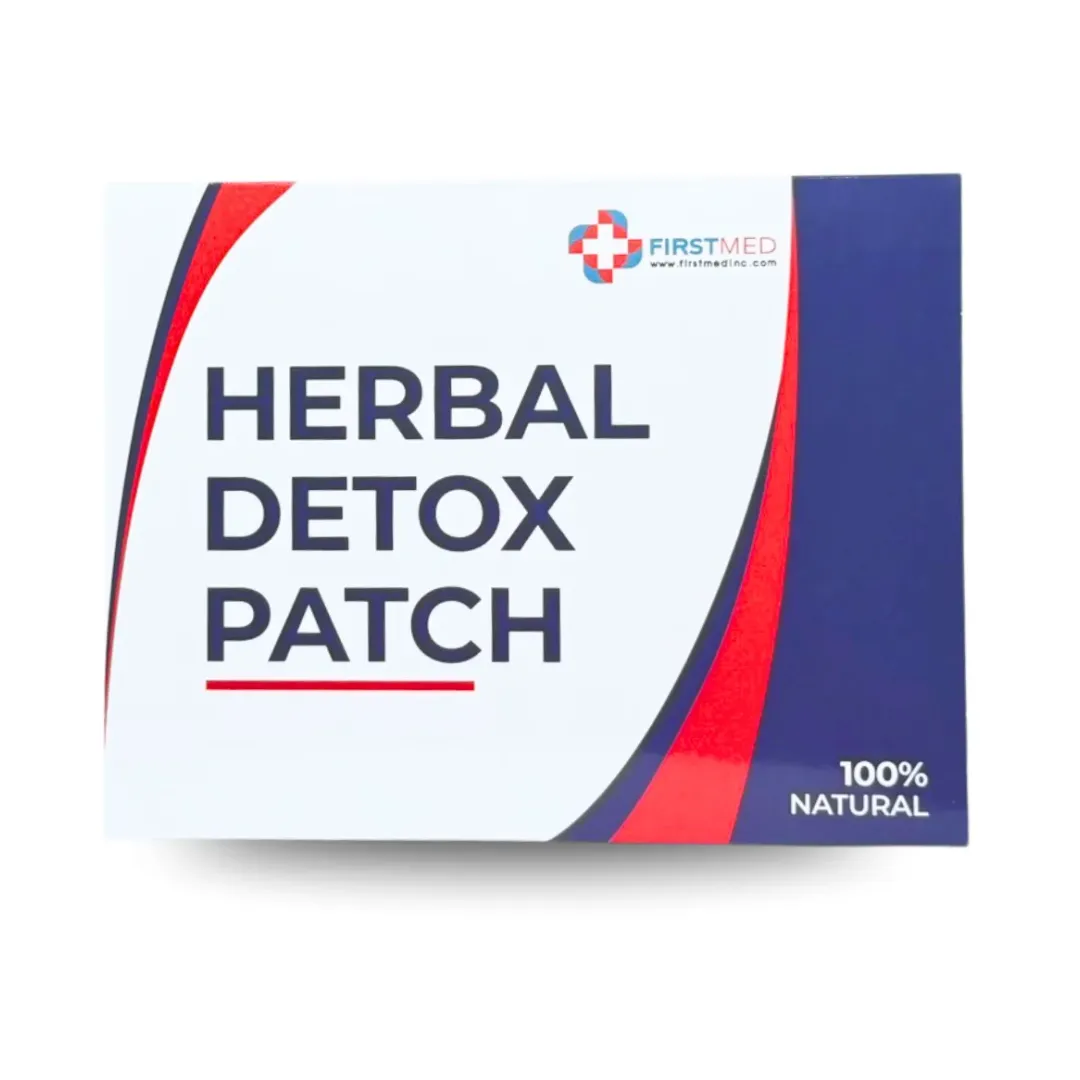
Nicotine patches carry a strength figure in milligrams. It is the first number most people look at, and it is worth knowing exactly what it refers to.
This guide explains how the mg figure is defined, where 7 mg sits relative to other available strengths, what the number does and does not tell you, and how to read the full label before you buy.
Released, not just contained
On most patches the mg figure describes how much nicotine the patch is designed to release over its wear period, rather than the total amount loaded into it. Medicinal patches usually print it as mg per 24 hours or per 16 hours.
Patches deliver through the skin at a controlled rate. That is the defining feature of the format: the dose is spread across the time the patch is worn instead of arriving all at once.
The total nicotine loaded into a patch is always higher than the released figure. The patch needs a reservoir of nicotine above what it will deliver, because the concentration gradient between the patch and the skin is what drives the transfer across the outer skin layer. A 7 mg released patch holds more than 7 mg in its matrix.
How transdermal delivery works
Transdermal patches are among the oldest controlled-delivery formats. The active compound sits in a matrix or reservoir layer pressed against the skin. From there it moves across the outer skin layer and into the bloodstream at a rate determined by the formulation and the properties of the compound itself.
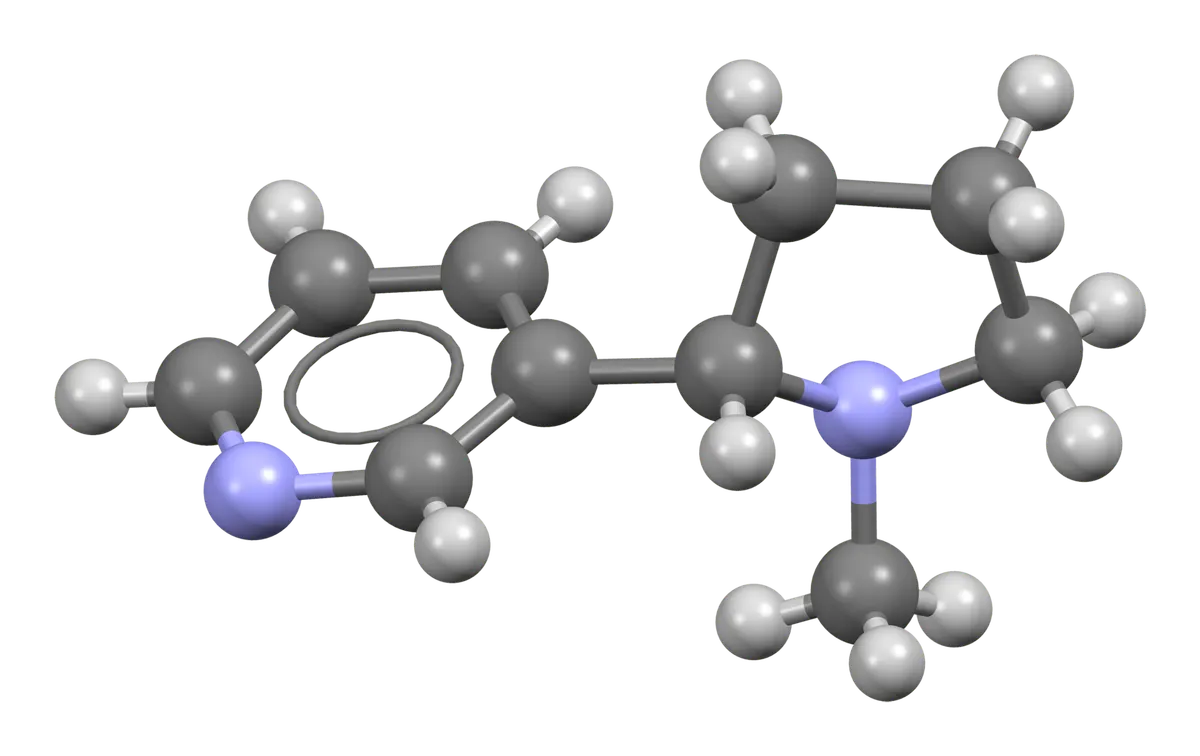
Nicotine is a small molecule that crosses the skin barrier relatively readily, which is why it was among the early compounds delivered this way. A 2022 review of transdermal delivery systems in the journal Pharmaceutics notes that nicotine patches are among the over-the-counter transdermal products currently available.
The defining advantage of the patch format is that the dose arrives gradually rather than in a single burst. The patch acts as a slow-release layer, metering the delivery across the wear period rather than releasing everything at once.
Where 7 mg sits
Patches are commonly sold at 7, 14 and 21 mg, so 7 mg is the lowest of the usual strengths. Our patch is 7 mg, worn one patch per day.
The three common strengths in the market reflect different daily doses. A 21 mg patch delivers roughly three times the daily nicotine of a 7 mg patch. A 14 mg patch delivers roughly twice.
This store sells only the 7 mg version. It is the option for buyers who want the smallest available daily dose from a standard patch.
7 mg
the strength this store sells
the lowest of the usual strengths
2x
a 14 mg patch, roughly twice the daily nicotine of 7 mg
3x
a 21 mg patch, roughly three times the daily nicotine of 7 mg
Relative daily doses as described in the 'Where 7 mg sits' section of this guide
What the number leaves out
The strength tells you nothing about the rest of the formula. Read the full ingredient list too. Ours has four items: natural tobacco extract, which supplies the nicotine, plus resveratrol, liquorice and clove.
The mg figure also does not tell you how long the patch is designed to be worn. Most patches carry a 24-hour wear period; some are designed for 16 hours. Check the product description for this detail, because wear period affects how you schedule use.
It does not tell you where the nicotine comes from either. Some patches use synthetically derived nicotine; this patch uses natural tobacco extract. If the origin of the nicotine matters to you, look for that description on the product page or ask the seller directly.
The ingredients in this patch
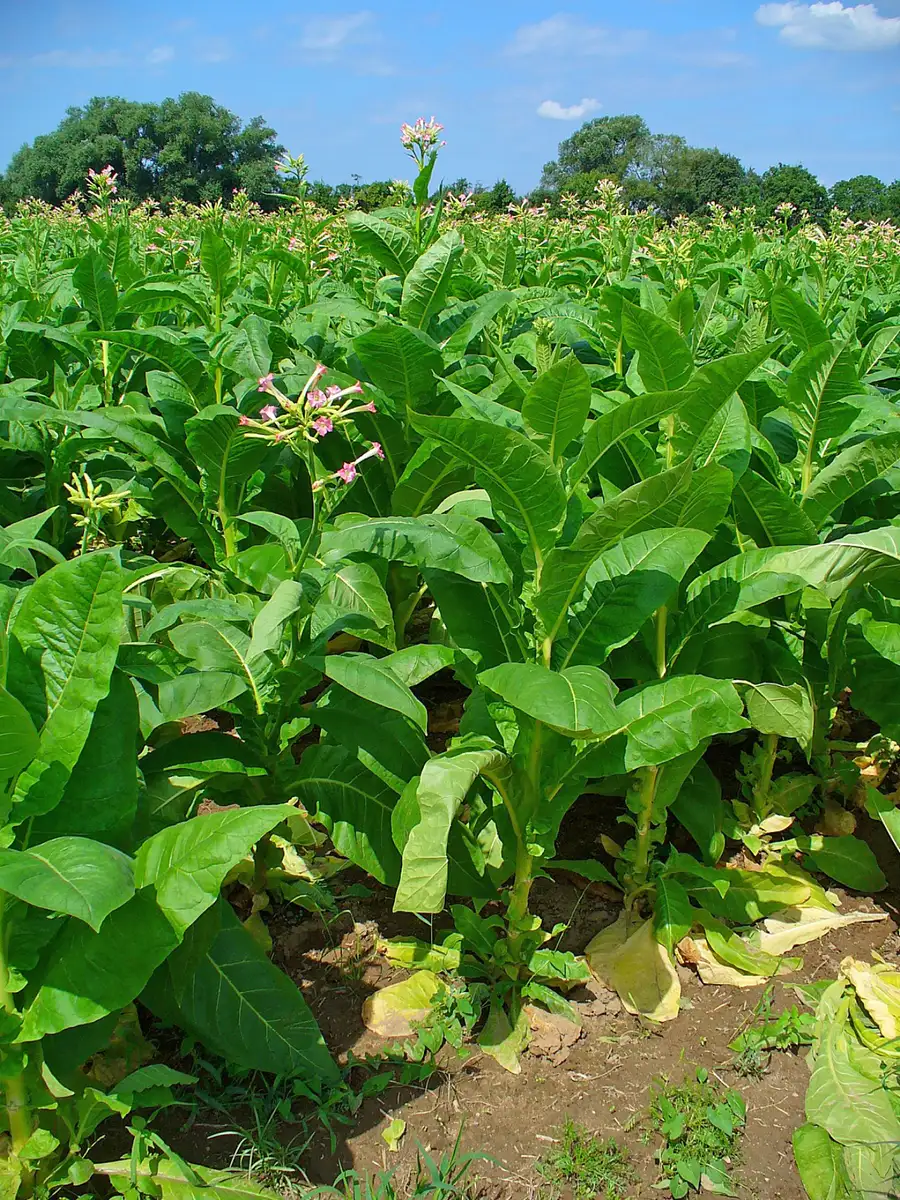
Natural tobacco extract is the source of the nicotine. The extract is derived from the tobacco plant and processed to isolate the nicotine. Using an extract from the plant means the active compound comes from its natural source.
Resveratrol is a compound found in red grape skins, berries and some other plants. It is used in a range of topical and cosmetic formulations and appears on ingredient lists for various skin-applied products.
Liquorice in this context refers to an extract from the liquorice root, used widely in cosmetic and topical formulations. It is listed under its common English spelling on the product page.
Clove is a plant-derived ingredient used in a variety of topical products. It appears in the formulation alongside the other three ingredients.
None of the non-nicotine ingredients are unusual in a patch or cosmetic context. If you are sensitive to any of them, check the full ingredient list before you order.
How to apply the patch
Place the patch on clean, dry skin on the upper arm, chest, back or the inside of the wrist. Avoid broken or irritated skin. Press firmly for about 30 seconds to ensure the adhesive bonds fully.
Rotate the placement site each day. Wearing successive patches on the same small area can irritate the skin over time. Choosing a new spot each day, within the same general area, is the standard approach.
Remove the patch at the end of the wear period. Fold the used patch in half with the sticky side in and dispose of it carefully, away from children and animals.
Reading the label before you buy
When looking at any patch online, check four things: the mg figure, the wear period, the ingredient list, and the shipping and returns terms. A store that shows all four on the product page is straightforward to evaluate.
Wear period matters in practice. A patch rated for 24 hours at 7 mg is designed to deliver across a full day. One rated for 16 hours at the same mg figure is designed to deliver the same dose in a shorter window. These behave differently in use even though the milligram number looks the same.
If the product page does not show the wear period or the ingredient list, ask before ordering. The information should be readily available from any supplier that knows their product.
Further reading
Linked papers cover the ingredients or the patch format in general and are not studies of this product. These statements have not been evaluated by the Food and Drug Administration or the Therapeutic Goods Administration. This product is not intended to diagnose, treat, cure, or prevent any disease.